Full Guide
How to Evaluate AI Voice Tools: The Full Small-Business Guide
This full evaluation guide explains how to define a representative voice task, test audio quality and editing effort, verify rights and consent, compare workflow cost and retain a human release decision. It is product-neutral and does not claim a universal winner.
Main Guide
Where AI voice may help
AI voice is most useful when the task is repeatable, the script is controlled and the consequences of an imperfect first draft are limited.
Possible small-business uses include:
- narration for a short product explainer or screen recording;
- an audio version of an approved educational article;
- draft voiceover for testing the pace of a video before final production;
- internal training material that changes regularly;
- pronunciation experiments before recording a human speaker; and
- localisation or dubbing trials where the team can review the target language.
These are starting points, not automatic recommendations. A founder story, sensitive customer message, regulated communication or performance built around a recognisable person may deserve a human voice and specialist review.
Start with the job to be done
Write down the outcome before opening a product:
- Who will listen?
- What must they understand or do afterwards?
- Why is audio appropriate?
- Who owns the script and the voice rights?
- Who can reject the output?
- What is the acceptable alternative if the trial fails?
This prevents a feature demonstration from becoming an unreviewed marketing asset. It also makes tools easier to compare because every option receives the same script, audience and acceptance criteria.
What to evaluate before choosing a tool
Voice quality and naturalness
Listen for more than a pleasant first sentence. Test names, abbreviations, numbers, technical terms, questions and changes of emphasis. Assess whether the voice remains consistent across a complete passage and whether its tone fits the brand and subject.
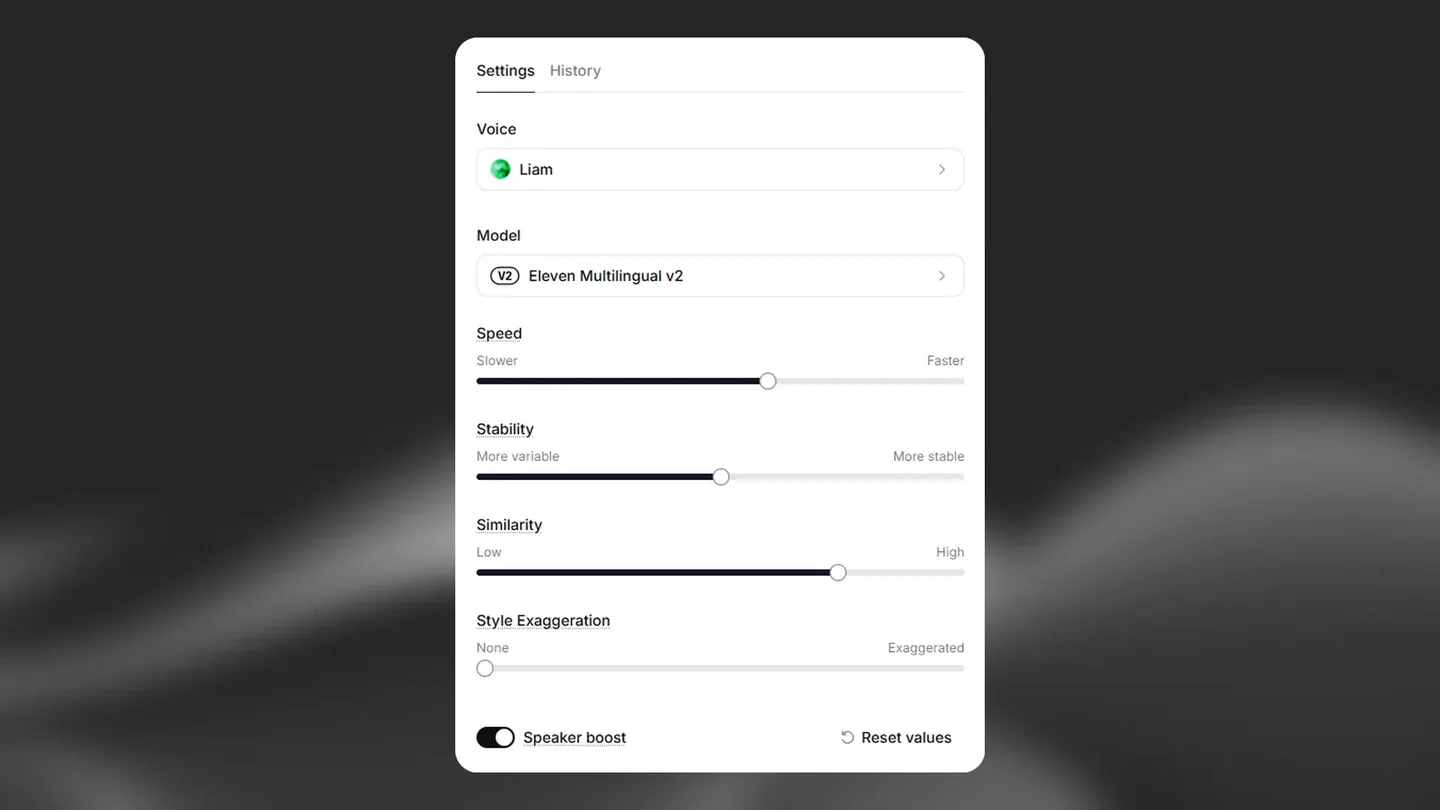
Synthetic speech can vary between generations. ElevenLabs’ current official text-to-speech documentation describes its output as non-deterministic and notes that voice choice, model choice and settings affect the result. Treat regeneration as part of the workflow rather than evidence that every future output will match the sample.
Script preparation
A script written for a page may not work when spoken. Shorten long sentences, expand unclear abbreviations and read the copy aloud before generating audio. ElevenLabs’ product guidance notes that unusual symbols, digits and unfamiliar terms can affect pronunciation. That is a useful evaluation point for any AI voice product.
Editing and workflow fit
Check what happens after generation:
- Can a reviewer replace one sentence without rebuilding the whole asset?
- Can the team control pauses, pronunciation, speed and emphasis?
- Which audio formats can be exported?
- Will the audio fit the existing video or editing software?
- Can the organisation preserve scripts, approvals and source files?
- How much work is needed to add captions, transcripts or corrections?
A fast generation step is not necessarily a fast production workflow. Count the time spent rewriting, regenerating, downloading, editing and reviewing.
Rights, consent and responsible use
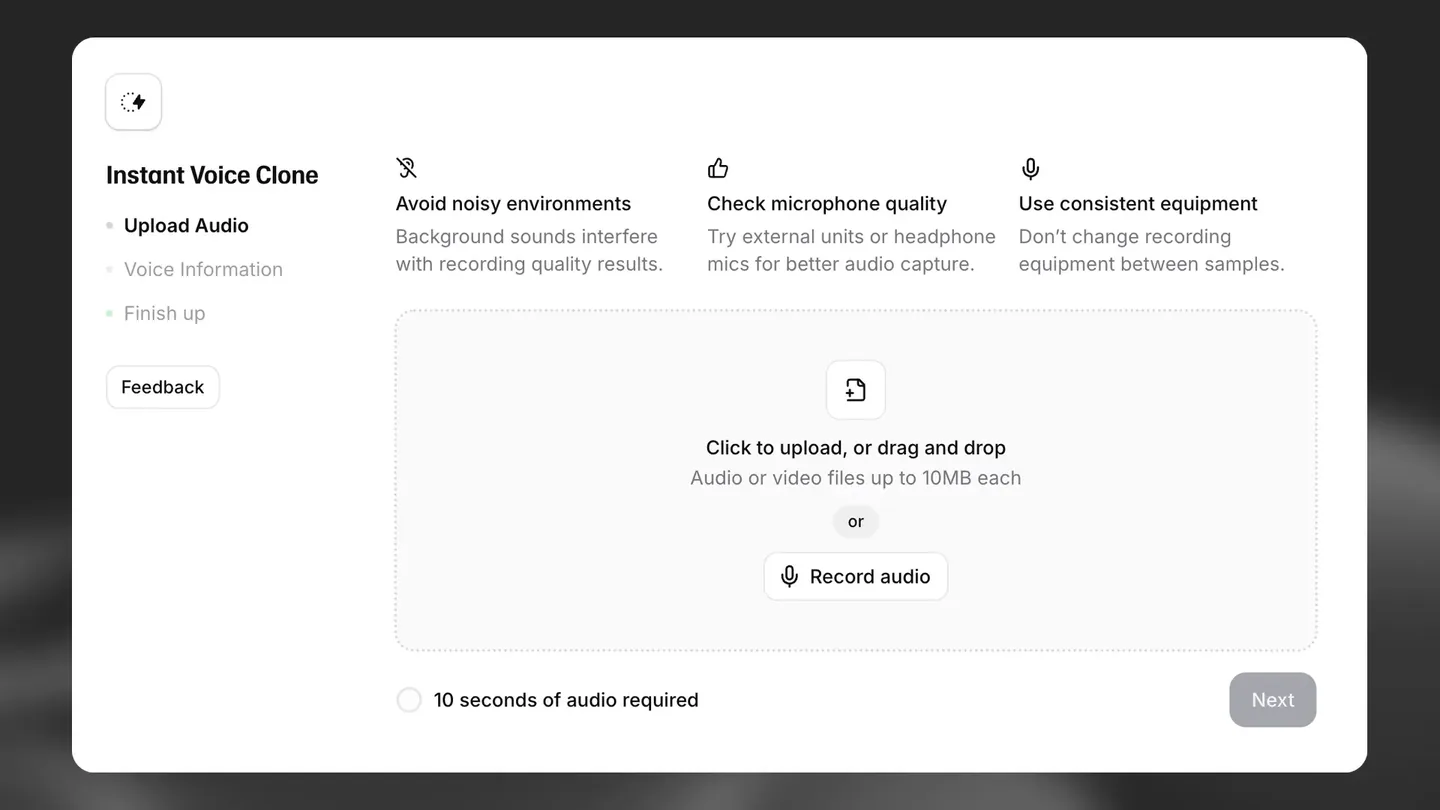
Do not clone or imitate a person’s voice merely because audio is publicly available. Record whose voice is used, what permission exists, the permitted purpose and how consent can be withdrawn.
ElevenLabs’ Instant Voice Cloning documentation requires users to confirm that they have the right and consent to clone a voice. Its Professional Voice Cloning process includes verification, and its prohibited-use policy restricts unauthorised or harmful impersonation. Those product safeguards do not remove the business’s responsibility to obtain appropriate rights and use the output lawfully.
Consider data protection before uploading recordings or personal information. The ICO’s AI guidance provides the wider UK data-protection context. Obtain specialist advice when a proposed use could identify, imitate or materially affect a person.
Human review and disclosure
Assign a person to approve:
- the factual accuracy of the script;
- pronunciation and intelligibility;
- tone and suitability for the audience;
- rights and consent evidence;
- captions or transcript accuracy; and
- the final context in which the audio will appear.
Consider whether listeners should be told that a voice is synthetic. The right answer depends on context, but a business should never use synthetic audio to mislead people about who is speaking or endorsing a message.
Cost and value
Review current terms immediately before choosing a plan. Compare:
- the amount and type of audio needed;
- whether commercial usage is permitted on the relevant plan;
- generation or usage allowances;
- the cost of revisions and failed attempts;
- export quality and format requirements;
- team access and approval needs; and
- the cost of the human or production alternative.
Do not treat a free tier as proof that a commercial workflow is free. For example, ElevenLabs’ current text-to-speech documentation says commercial usage rights require a paid plan. Exact prices and allowances can change, so this guide intentionally does not reproduce them.
ElevenLabs as one option to evaluate
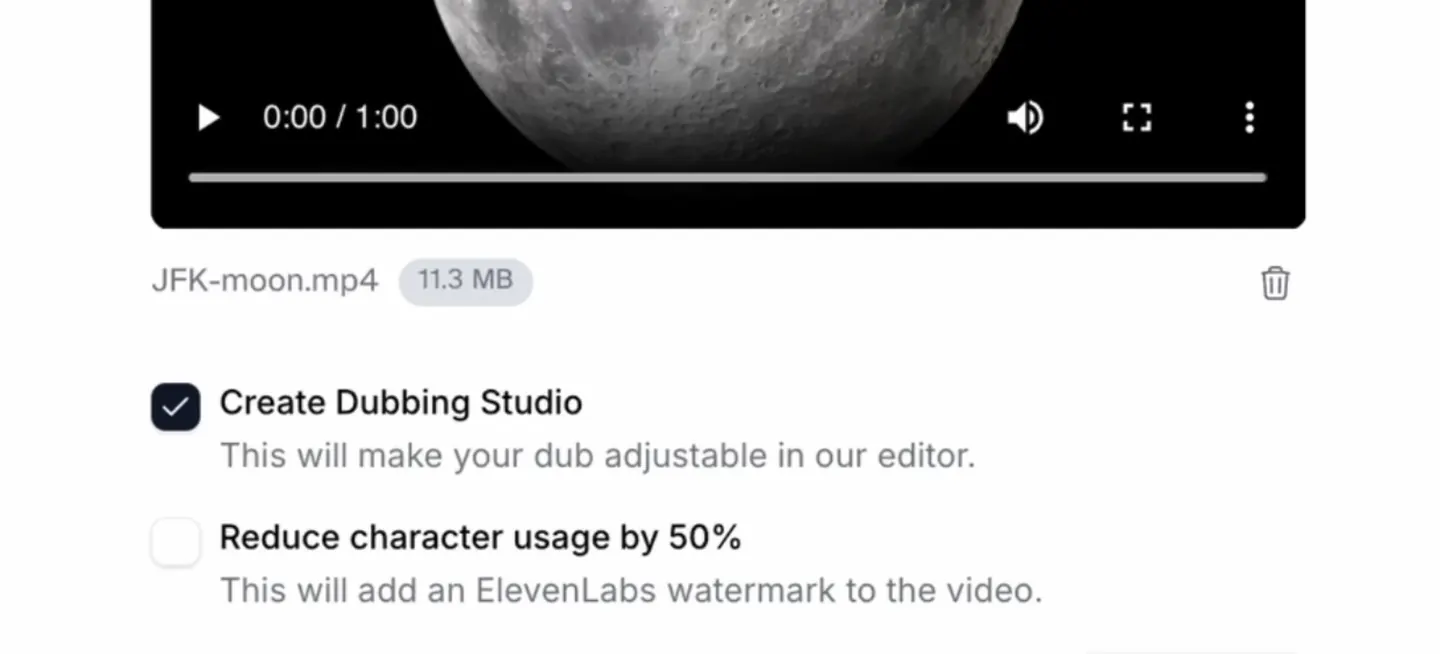
ElevenLabs is one relevant option when a business needs text-to-speech, voice changing or dubbing capabilities. Its official documentation describes text-to-speech voice and model choices, a voice changer that works from recorded or uploaded speech, and dubbing workflows for audio or video.
That feature availability does not establish that ElevenLabs is the best tool for a particular business. Suitability depends on the script, voice rights, language, editing workflow, quality threshold, current plan terms and the results of a controlled trial. GrowthPilot has not recorded hands-on product testing for this article and makes no comparative superiority claim.
Alternatives to consider
An AI-generated voice is only one category of solution. Compare it with:
- recording the owner or a team member;
- hiring a voice performer;
- using a properly licensed stock voice;
- engaging an audio or video production specialist;
- using captions and on-screen text without narration; or
- publishing the written version when audio adds little value.
The right alternative may vary by asset. A synthetic draft could help test timing before a human recording, while recurring internal updates might suit a controlled text-to-speech workflow.
A practical small-business trial
1. Choose a bounded asset
Use a script of roughly one or two minutes for a low-risk, non-regulated piece of content. Avoid sensitive personal data and third-party voice samples.
2. Define acceptance criteria
Record the audience, purpose, required pronunciations, intended tone, maximum editing effort and the person with final approval.
3. Confirm rights before uploading
Use a licensed supplied voice, a synthetic voice, or a voice for which documented consent and usage rights exist. Stop if ownership is unclear.
4. Generate comparable samples
Use the same script for each option or alternative. Keep the initial settings and outputs so the comparison is reviewable.
5. Review with headphones and ordinary devices
Check clarity, pace, emphasis, pronunciation, consistency and background noise. Listen on at least one device representative of the audience.
6. Measure the complete workflow
Record preparation, generation, correction, editing, captioning and approval effort. Note plan restrictions and any failed or repeated generations.
7. Decide: adopt, revise or stop
Adopt only for the bounded use case that passed. Revise the script or process when the problem is understood. Stop when rights, quality, trust or total effort do not meet the acceptance criteria.
FAQ
Should a small business replace all voiceovers with AI?
No. Start with one bounded use case and retain human recording or specialist production where authenticity, performance, risk or audience expectations make it the better option.
Can a business clone any voice it finds online?
No. Public availability is not permission. Obtain appropriate rights and consent, follow the provider’s rules and stop when ownership is unclear.
Is ElevenLabs recommended for every small business?
No. It is one relevant option for evaluation. GrowthPilot has not completed a comparative or hands-on product review for this article.
How should a team compare costs?
Use current provider terms and include generation, revisions, editing, human review, captioning and alternative production costs. This guide does not quote prices because they can change.
Does AI-generated audio still need human review?
Yes. A named reviewer should check the script, pronunciation, tone, rights, accessibility support and final presentation before release.
Conclusion
AI voice is worth testing when it solves a defined communication problem and the business can control the script, voice rights and final approval. The strongest first trial is small enough to stop, consistent enough to compare and useful even if the decision is to keep a human voice.
Next Step
Use the seven-step trial above with one approved script. Continue with the GrowthPilot Responsible AI guide if you need to establish ownership, review and stop conditions before testing a tool.
Sources reviewed
- ElevenLabs Text to Speech documentation
- ElevenLabs Text to Speech product guide
- ElevenLabs Voice Changer documentation
- ElevenLabs Dubbing documentation
- ElevenLabs Instant Voice Cloning documentation
- ElevenLabs Professional Voice Cloning verification guide
- ElevenLabs Safety
- ElevenLabs Prohibited Use Policy
- ICO guidance on AI and data protection
Sources were reviewed on 7 August 2026. Product features, plan rights and terms must be checked again immediately before choosing or using a tool.
GrowthPilot may earn a commission from qualifying purchases through commercial links, at no additional cost to you. Commercial availability does not determine inclusion or assessment.